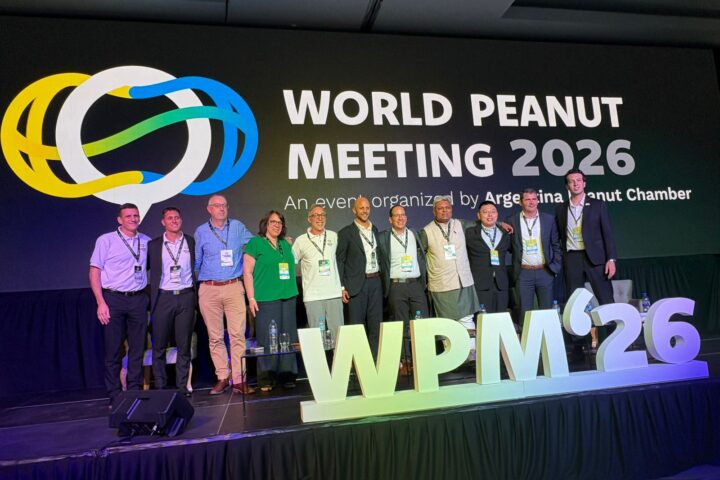
COMASA was part of the World Peanut Meeting 2026, held in Argentina, one of the most relevant global gatherings for the peanut industry. Organized by the Argentine Peanut Chamber, this event brings together producers, exporters, traders, and international buyers to discuss the key forces shaping the market.
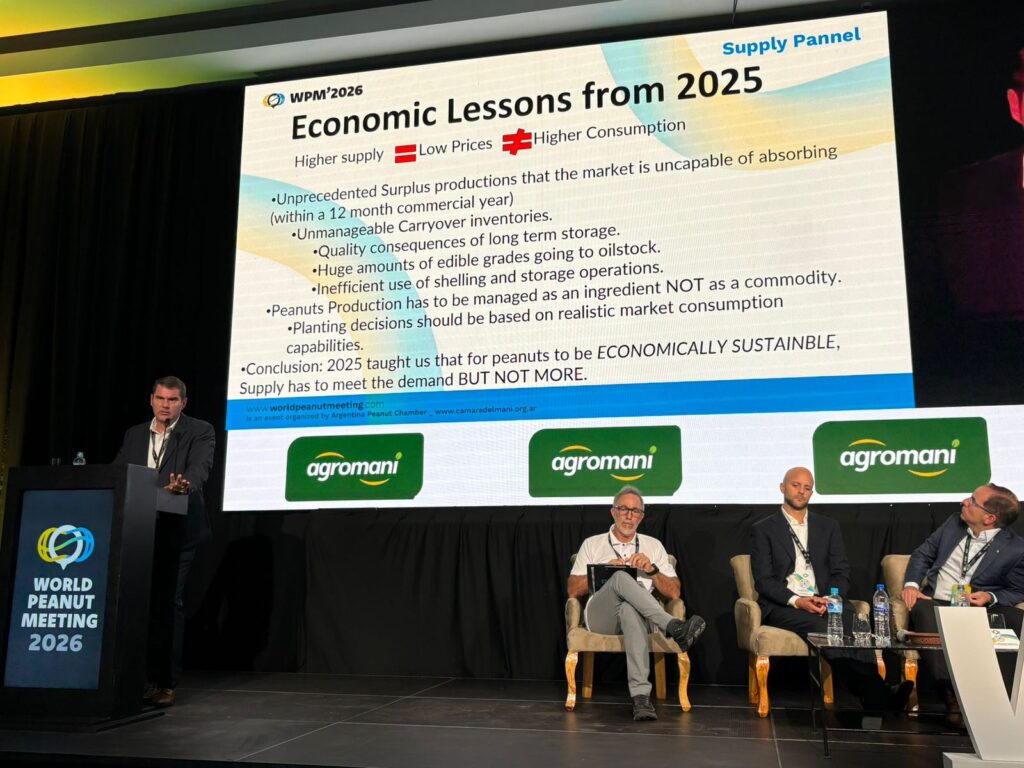
This year’s meeting centered on a critical topic: the growing imbalance between global supply and demand. Industry leaders highlighted how increased production levels are placing downward pressure on prices, while the market’s absorption capacity remains limited. As a result, the conversation is evolving beyond volume-driven strategies toward a more sustainable and value-oriented approach.
A key takeaway from the event was the need to rethink how peanuts are positioned within the global market. Rather than being treated solely as a commodity, there is an increasing emphasis on managing peanuts as an ingredient with differentiated value, aligned with real consumption patterns and long-term market sustainability.
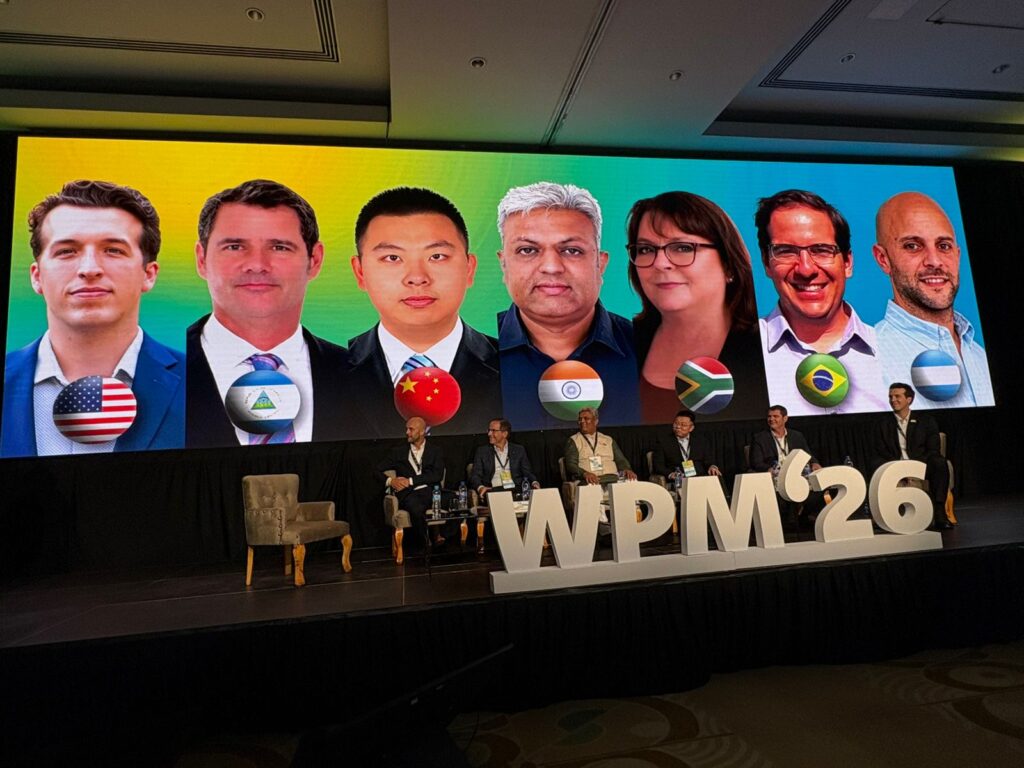
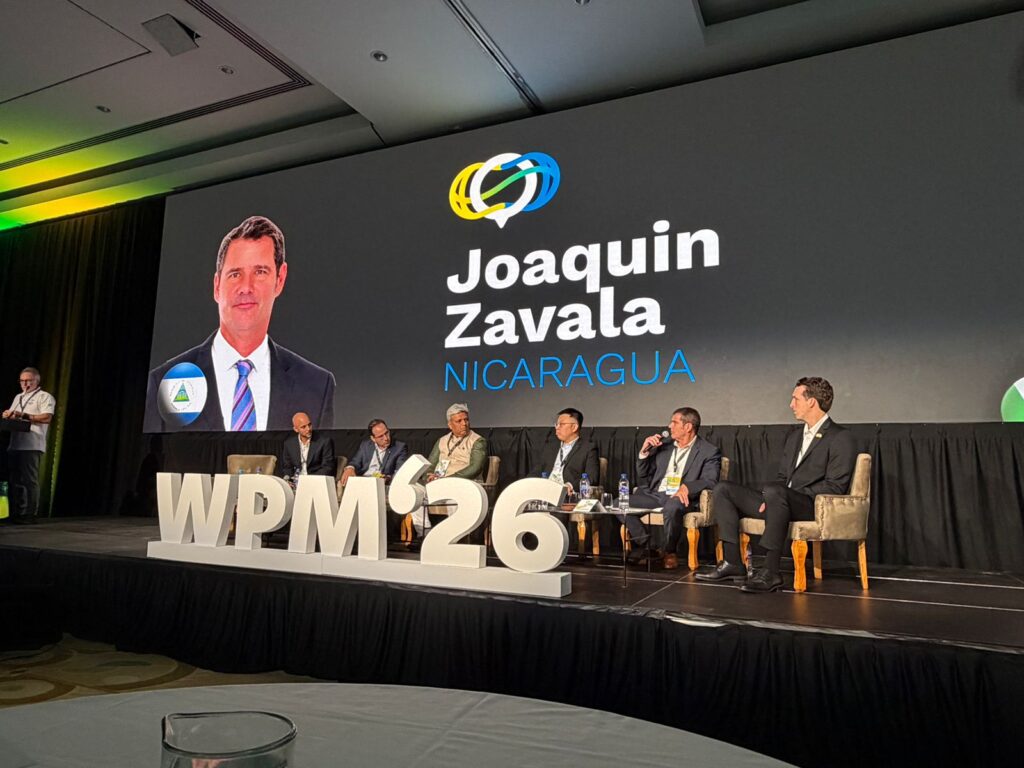
COMASA’s CEO participated in an international panel representing Nicaragua, contributing to discussions alongside industry leaders from multiple regions. This participation reflects COMASA’s commitment to staying actively engaged in the global dialogue and maintaining a deep understanding of market dynamics.
Being present in spaces like the World Peanut Meeting reinforces COMASA’s position as a company that is not only part of the global supply chain, but also closely connected to the strategic conversations that define its future.
This shift opens new opportunities for companies that can go beyond commodity trading and deliver value-added solutions to the market.
As the industry continues to evolve, COMASA remains focused on adapting to these changes, strengthening its capabilities, and contributing to a more sustainable and value-driven peanut market.
The discussions held during the event reinforce a clear direction for the industry: long-term competitiveness will depend not only on scale, but on the ability to create value, adapt to market realities, and align supply with real demand.